Table of Contents
Solar Energy Management Software: Complete Guide for EPCs and IPPs
The rapid growth of utility-scale and commercial solar projects has created a new challenge for EPC companies and Independent Power Producers (IPPs): managing solar assets efficiently throughout their lifecycle.
As solar portfolios expand across multiple locations, manual monitoring and maintenance become increasingly difficult. This is where Solar Energy Management Software plays a critical role.
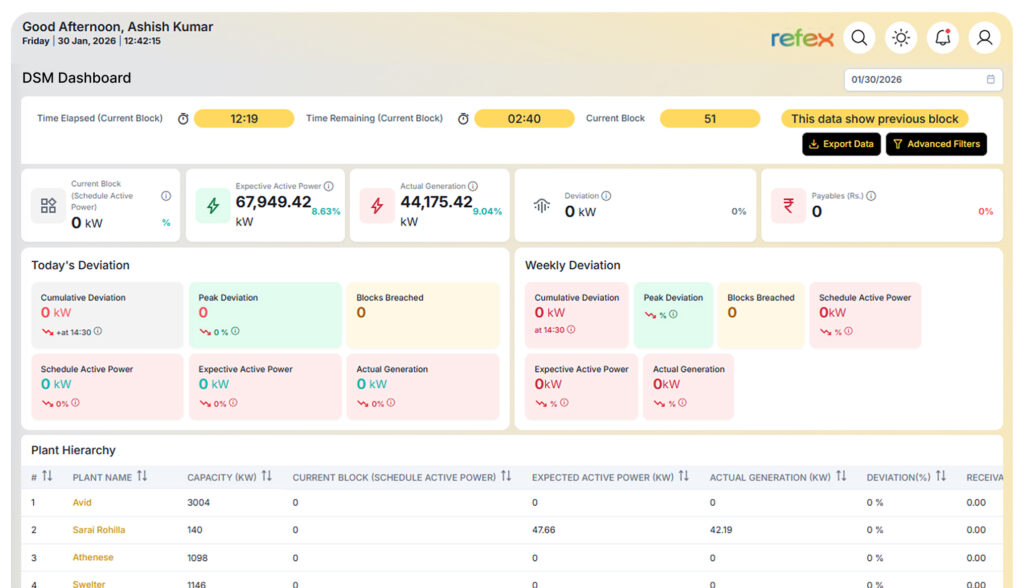
A modern solar energy management platform enables organizations to monitor plant performance in real time, manage maintenance activities, analyze operational data, and maximize energy production from a centralized dashboard.
For EPC contractors and IPPs, the right software can significantly improve operational visibility, reduce downtime, and increase return on investment.
What is Solar Energy Management Software?
Solar Energy Management Software is a digital platform that helps organizations monitor, manage, and optimize the performance of solar power plants and renewable energy assets.
The software integrates data from:
- Solar panels
- Inverters
- Weather stations
- SCADA systems
- Sensors
- Energy meters
This information is transformed into actionable insights that help operators improve plant efficiency and make informed operational decisions.
Unlike traditional monitoring systems that simply display performance data, modern solar energy management software provides analytics, maintenance workflows, automated alerts, and asset performance optimization capabilities.
Why EPCs and IPPs Need Solar Energy Management Software
Managing solar assets at scale involves numerous operational challenges.
Common issues include:
- Unexpected equipment failures
- Communication breakdowns
- Energy production losses
- Delayed maintenance response
- Lack of visibility across multiple sites
- Increasing operational costs
Without a centralized management platform, these problems can impact energy generation and project profitability.
Solar Energy Management Software helps address these challenges by delivering real-time visibility and data-driven decision-making capabilities.
Key Features of Solar Energy Management Software
Real-Time Solar Monitoring
A modern solar monitoring system provides continuous visibility into plant performance.
Operators can track:
- Energy generation
- Inverter status
- String performance
- Weather conditions
- Grid connectivity
- Equipment health
This enables rapid identification of issues before they affect production.
Intelligent Alerts and Notifications
Automated alerts help maintenance teams respond quickly to operational issues.
Alerts may be triggered by:
- Inverter failures
- Low energy output
- Communication loss
- Abnormal operating conditions
- Performance deviations
This reduces downtime and improves reliability.
Solar Asset Management
Asset management functionality allows organizations to track:
- Panels
- Inverters
- Transformers
- Weather stations
- Batteries
- Electrical infrastructure
Complete lifecycle visibility improves maintenance planning and asset utilization.
Advanced Solar Analytics
Analytics capabilities help organizations understand:
- Performance ratios
- Energy losses
- Degradation trends
- Site comparisons
- Asset efficiency
These insights support continuous performance improvement.
Maintenance Management
Effective maintenance is critical for maximizing plant output.
Solar Energy Management Software enables:
- Preventive maintenance scheduling
- Work order tracking
- Service history management
- Technician assignment
- Maintenance reporting
This ensures issues are resolved efficiently.
Benefits for Solar Energy Management Software for EPC Companies
EPC organizations can leverage solar energy management software to:
Improve Project Handover
Provide clients with complete operational visibility from day one.
Deliver Better O&M Services
Offer proactive maintenance and performance management services.
Enhance Customer Satisfaction
Real-time reporting improves transparency and trust.
Generate Recurring Revenue
Managed monitoring and maintenance services create long-term revenue opportunities.
Benefits of Solar Energy Management Software for Independent Power Producers (IPPs)
For IPPs, operational efficiency directly impacts profitability.
Benefits include:
Increased Energy Production
Continuous monitoring helps identify and resolve performance issues quickly.
Reduced Downtime
Automated alerts enable faster incident response.
Lower Operating Costs
Predictive maintenance reduces unnecessary inspections and emergency repairs.
Higher ROI
Improved plant performance translates directly into greater revenue generation.
How GenSOM Solar Supports Solar Energy Management Software
Organizations looking for a scalable Solar Energy Management Software solution can benefit from GenSOM Solar, a platform designed to help EPCs, IPPs, and renewable energy operators manage solar assets more effectively.
GenSOM Solar provides:
- Real-time monitoring
- Multi-site visibility
- Asset management
- Intelligent alerts
- Solar analytics
- Maintenance planning
- Performance reporting
By centralizing operational data and automating key processes, GenSOM Solar helps organizations improve reliability, optimize energy production, and reduce operational costs.
Explore the GenSOM Solar Energy Management Platform to learn how your organization can improve solar asset performance.
Future Trends in Solar Energy Management Software
The next generation of renewable asset management platforms will increasingly leverage:
- Artificial Intelligence (AI)
- Machine Learning (ML)
- Predictive maintenance
- Digital twins
- Advanced forecasting
- IoT-enabled monitoring
These technologies will help organizations move from reactive maintenance to predictive and autonomous operations.
Conclusion
Solar Energy Management Software has become an essential technology for EPC companies, IPPs, and renewable energy operators seeking to maximize asset performance and profitability.
By combining real-time monitoring, analytics, maintenance management, and operational intelligence, organizations can improve energy production, reduce downtime, and achieve better long-term returns.
As solar portfolios continue to grow, platforms like GenSOM Solar provide the visibility and control needed to manage assets efficiently at scale.
Industry Resources
As the renewable energy sector continues to evolve, staying informed through trusted industry organizations and official resources is essential. These organizations publish research, technical standards, policy updates, and best practices that help EPC companies, Independent Power Producers (IPPs), and renewable energy operators make informed decisions.
- International Energy Agency (IEA): Provides global energy market analysis, renewable energy reports, and insights into the latest trends shaping the clean energy transition. Link: https://www.iea.org/
- Ministry of New and Renewable Energy (MNRE): India’s official authority for renewable energy policies, government initiatives, and solar energy programs. Link: https://mnre.gov.in/
- National Renewable Energy Laboratory (NREL): Offers research, technical resources, and best practices for improving solar energy performance, grid integration, and renewable energy technologies. Link: https://www.nrel.gov/
- International Electrotechnical Commission (IEC): Develops internationally recognized standards for electrical systems, solar technologies, and renewable energy equipment to ensure safety, reliability, and interoperability. Link: https://www.iec.ch/
FAQ Section
What is Solar Energy Management Software?
Solar Energy Management Software helps monitor, manage, and optimize the performance of solar power plants through real-time data, analytics, and maintenance tools.
How is Solar Energy Management Software different from Solar Monitoring Software?
Solar monitoring software primarily displays operational data, while solar energy management software includes analytics, maintenance management, reporting, and asset optimization features.
Why do IPPs use Solar Energy Management Software?
IPPs use these platforms to increase energy production, reduce downtime, lower operational costs, and maximize return on investment.
Can Solar Energy Management Software manage multiple solar sites?
Yes. Most enterprise platforms support centralized monitoring and management of multiple solar plants from a single dashboard.
What features should EPC companies look for?
EPC companies should prioritize real-time monitoring, asset management, analytics, maintenance workflows, reporting, and scalability.