Recruitment in 2025
-
Human Resource December 26, 2025By Deepa Yadav

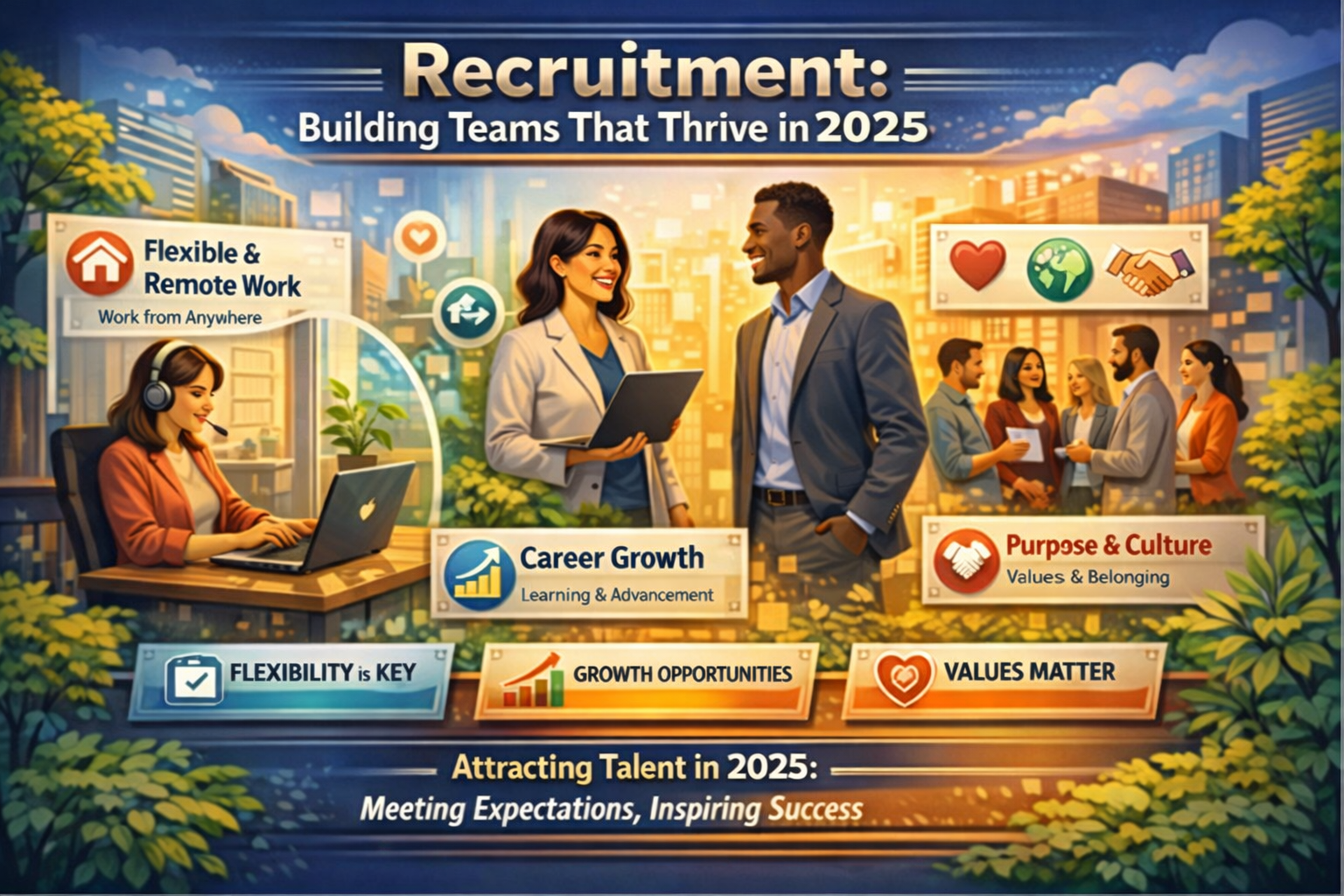
Recruitment has always been about connecting people with opportunities, but in 2025, it’s so much more than that. The competition for talent is fiercer than ever, and the way organizations attract, engage, and retain employees has transformed dramatically. Candidates are no longer just looking for jobs — they’re looking for purpose, flexibility, and a culture where they can thrive.
So, what does modern recruitment look like, and how can businesses stay ahead? Let’s explore.
The Changing Recruitment Landscape
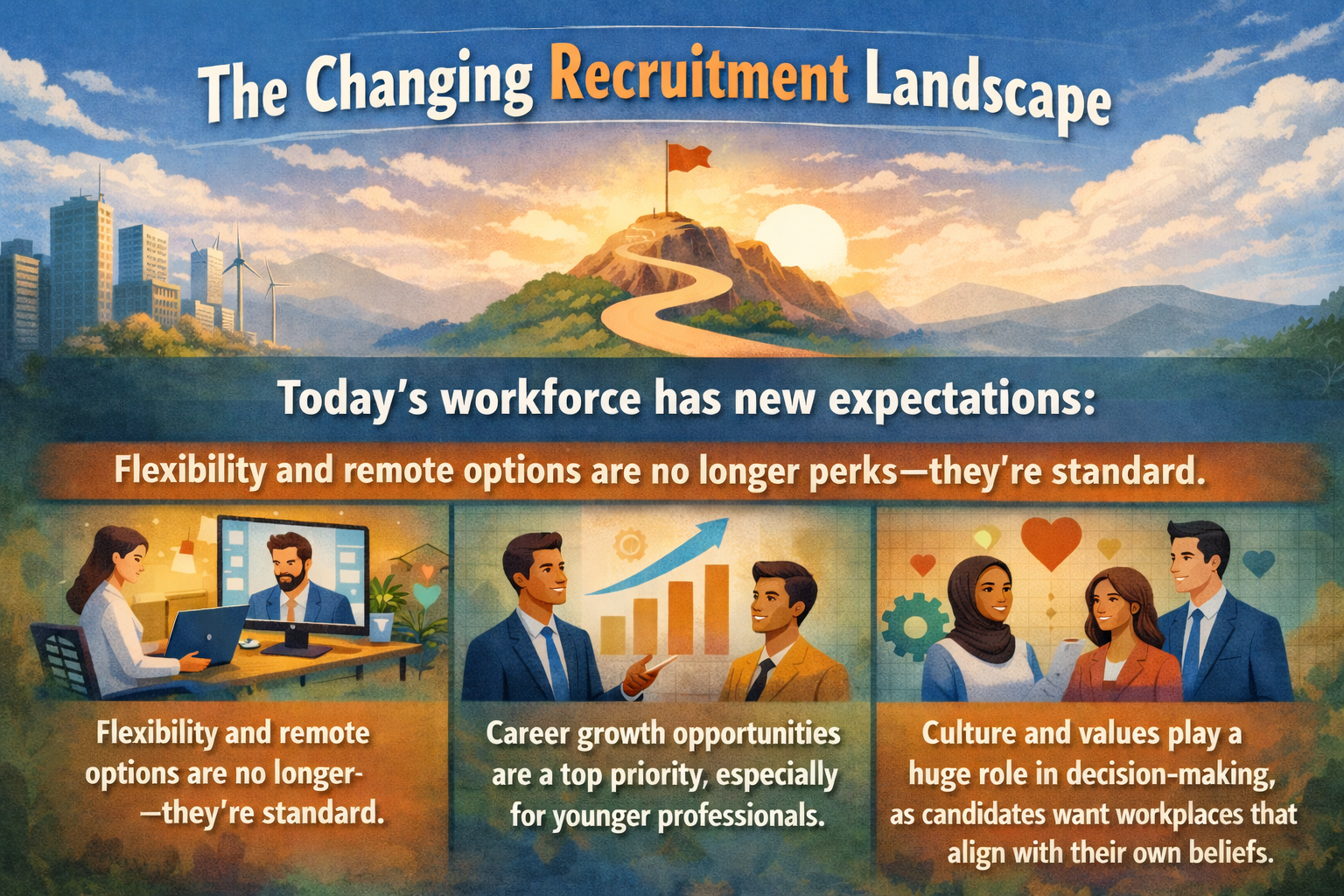
Today’s workforce has new expectations:
- Flexibility and remote options are no longer perks — they’re standard.
- Career growth opportunities are a top priority, especially for younger professionals.
- Culture and values play a huge role in decision-making, as candidates want workplaces that align with their own beliefs.
In short, candidates are choosing employers just as carefully as employers choose candidates.
Why Employer Branding Matters More Than Ever
Before applying, most candidates research a company’s reputation online. They read reviews, check social media, and even connect with current employees to get an inside perspective. A strong employer brand has become a crucial part of recruitment strategy.
Companies that share authentic stories about their culture, highlight employee success, and show transparency about their values stand out in the talent market.
The goal is simple: when potential candidates think about where they’d love to work, your company should be at the top of their list.
The Role of Technology in Recruitment
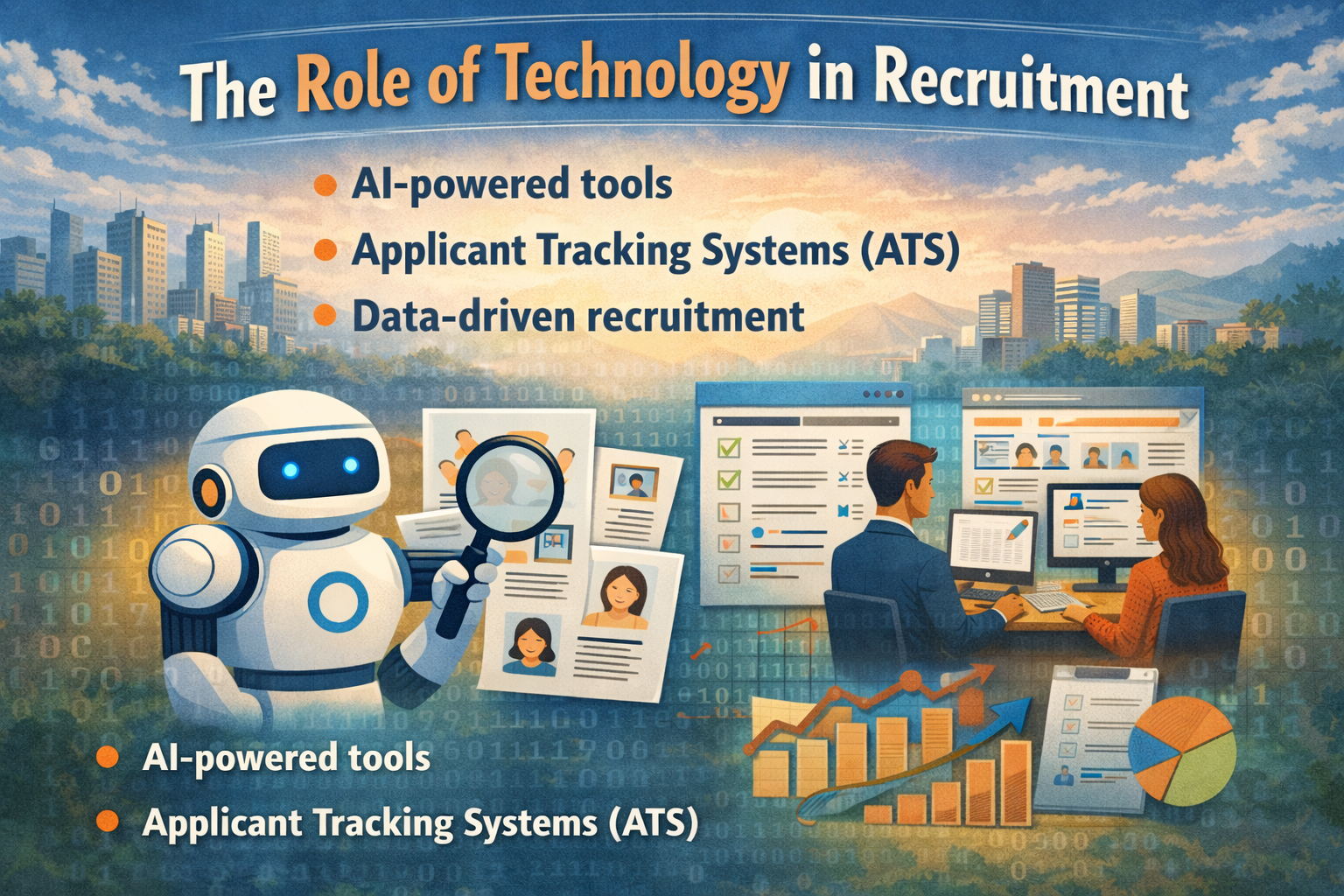
Technology is reshaping recruitment at lightning speed:
- AI-powered tools help identify and screen qualified candidates more efficiently.
- Applicant Tracking Systems (ATS) now integrate with communication platforms, making hiring smoother.
- Data-driven recruitment provides insights into sourcing effectiveness, time-to-hire, and candidate satisfaction.
While automation saves time, it’s important not to lose the human touch. Technology should enhance the recruitment process — not replace relationships.
Candidate Experience: The True Differentiator
Employers sometimes miss out on skilled and experienced candidates due to lengthy, confusing, or impersonal hiring processes.
Such experiences can turn away great talent.
Simple improvements can make a huge difference, such as:
- Keeping applications short and mobile-friendly.
- Providing timely updates, even if the candidate isn’t moving forward.
- Personalizing communication to make candidates feel valued.
When candidates walk away with a positive impression — even if they don’t get the job — they’re more likely to recommend your company or reapply in the future.

Recruitment Best Practices for 2025
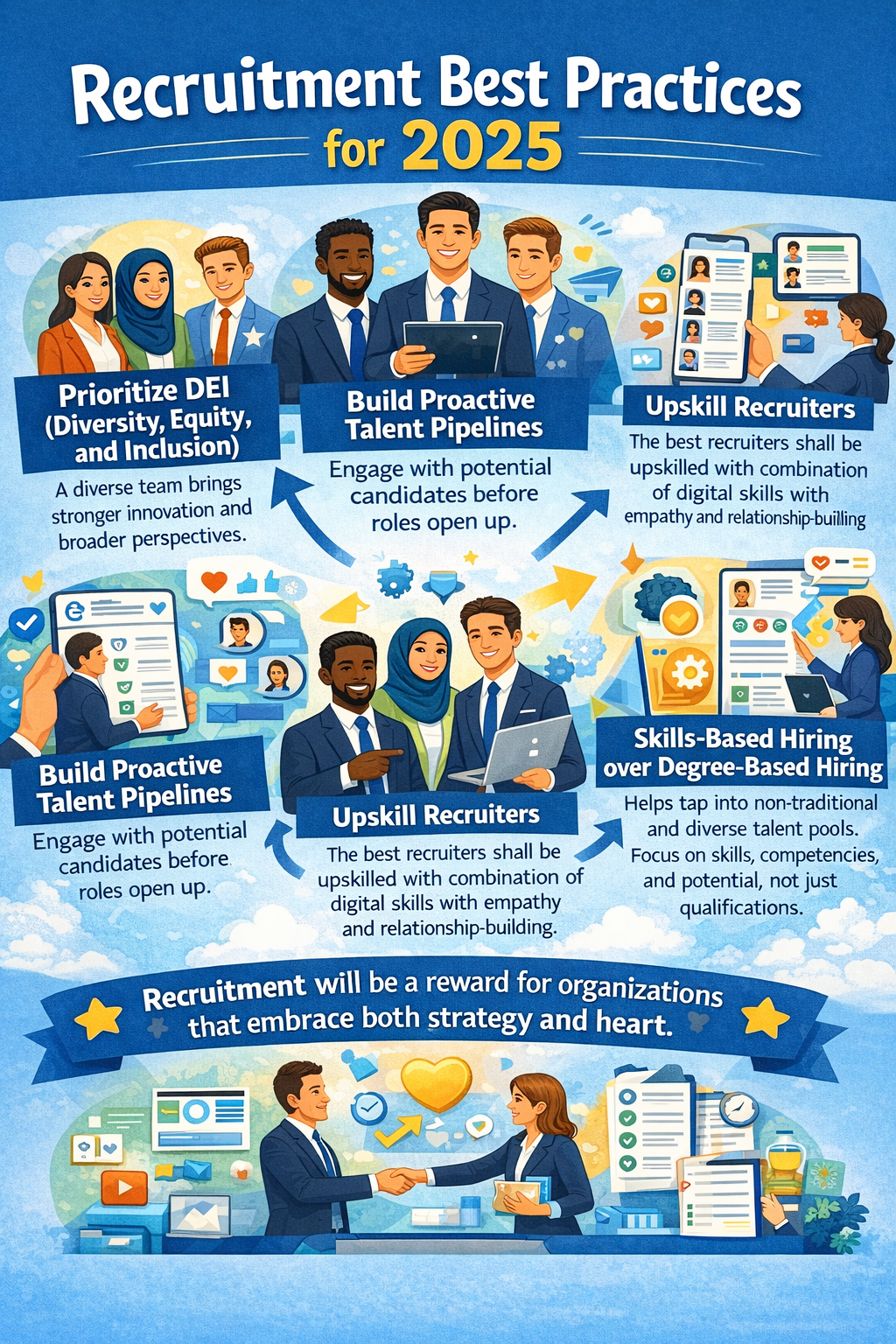
The best practices include:
- Prioritize DEI (Diversity, Equity, and Inclusion): A diverse team brings stronger innovation and broader perspectives.
- Build proactive talent pipelines: Engage with potential candidates before roles open up.
- Upskill recruiters: Combine digital skills with empathy and strong relationship-building.
- Skills-based hiring over degree-based hiring: Focus on competencies and potential to access diverse talent pools.
- Faster and transparent hiring processes: Maintain clear timelines, regular updates, and feedback loops.
Recruitment success will reward organizations that embrace both strategy and heart.
Conclusion
Recruitment in 2025 isn’t just about filling roles — it’s about building thriving teams that drive business success.
By blending technology with genuine human connection, strengthening employer branding, and delivering exceptional candidate experiences, organizations can stand out in a crowded talent market.